


Fake invoices – a growing and AI-accelerated business risk.
Haarlem, February 22, 2026
Invoice fraud—often linked to Business Email Compromise (BEC)—has become one of the most financially damaging forms of corporate cybercrime. Attackers send realistic invoices or modify legitimate ones (for example by changing bank account details), causing organizations to transfer funds to fraudulent accounts. The rapid adoption of generative AI is further increasing the sophistication, scale, and credibility of these attacks.
Key findings and statistics
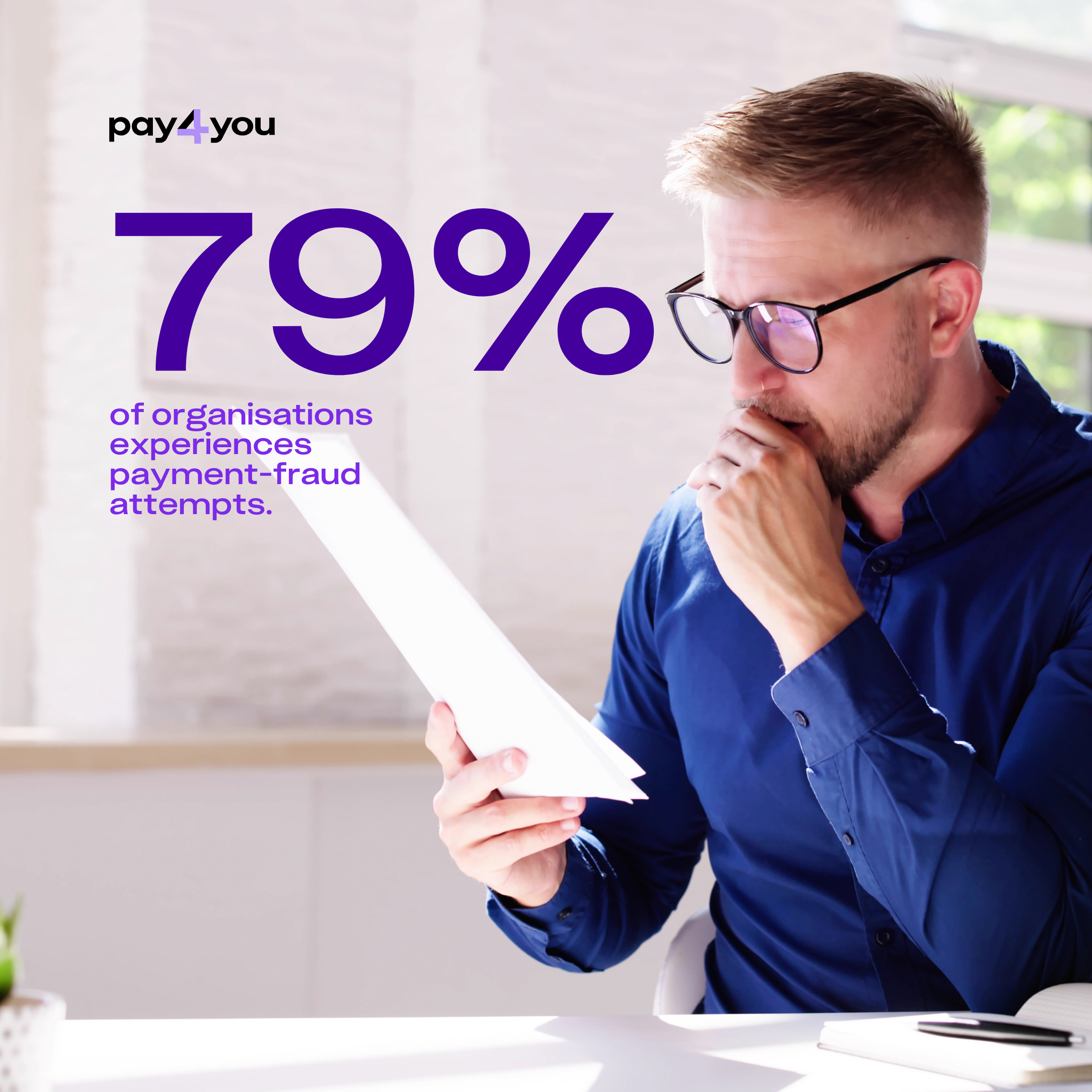
- 79% of organizations experienced payment-fraud attempts in 2024, with invoice fraud and BEC among the most common attack methods.
- The average financial impact per successful invoice-fraud incident can reach six-figure losses, showing how a single fraudulent payment can significantly affect organizations.
- Across Europe, credit-transfer related fraud losses reached approximately €2.2 billion, highlighting the growing scale of payment-related financial crime globally.
The role of AI in modern invoice fraud
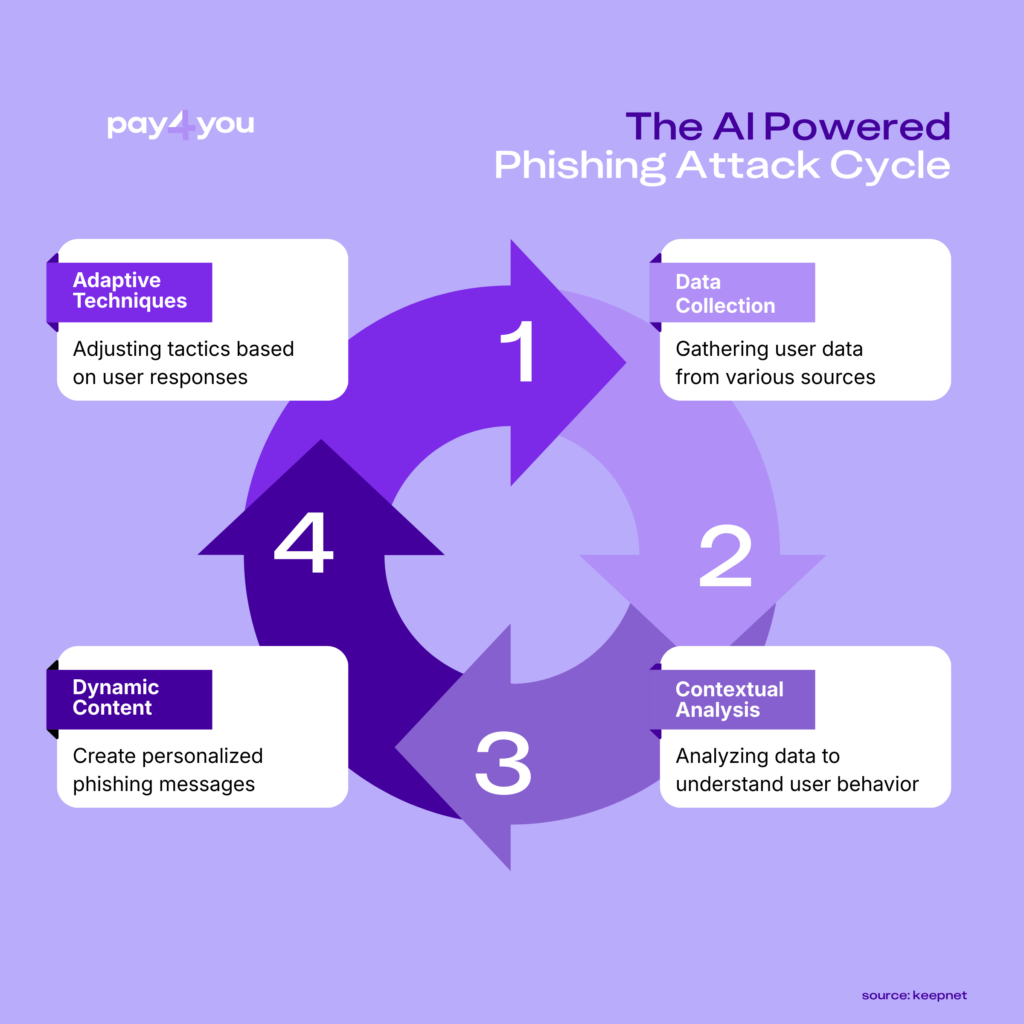
Artificial intelligence is rapidly transforming phishing and invoice-fraud attacks. Attackers increasingly use AI to collect data, analyze behavioral patterns, generate highly personalized communications, and continuously adapt their techniques based on responses. This automation significantly increases both the scale and credibility of fraud attempts, making traditional visual checks insufficient.
Closing the control gap: supplier verification and screening
A key mitigation strategy is structured supplier validation before payment, including:
- Chamber of Commerce verification
- VAT number validation
- IBAN–account-name checks
- AML / KYB (Know-Your-Business) screening
- Optional supplier screening for new or one-time vendors
Solutions of Pay4You support this approach by enabling optional supplier screening—including Chamber of Commerce checks, VAT validation, IBAN-name verification, and AML/KYB controls—helping finance teams safely process unmanaged or ad-hoc invoices while maintaining full payment visibility and audit-ability.
Conclusion
Invoice fraud is no longer an isolated operational issue but a structural financial risk—one that is accelerating due to AI-driven automation and increasingly professional attack methods. Combining awareness, strong verification procedures, and supplier-screening controls is essential for protecting corporate cash flows and maintaining trust in financial processes.
About Pay4You
Pay4You consolidates all small invoices into one invoice. We Pay4You, the client. And You, the client will only pay once a month.
Our mission is to free finance and procurement teams from operational burden, so they can focus on what truly matters: The business.
www.pay4you.nl